
Opening Up The Outdoors (OUTO) shines a light on barriers to inclusivity across Europe, while UK collectives break new ground on the slopes.
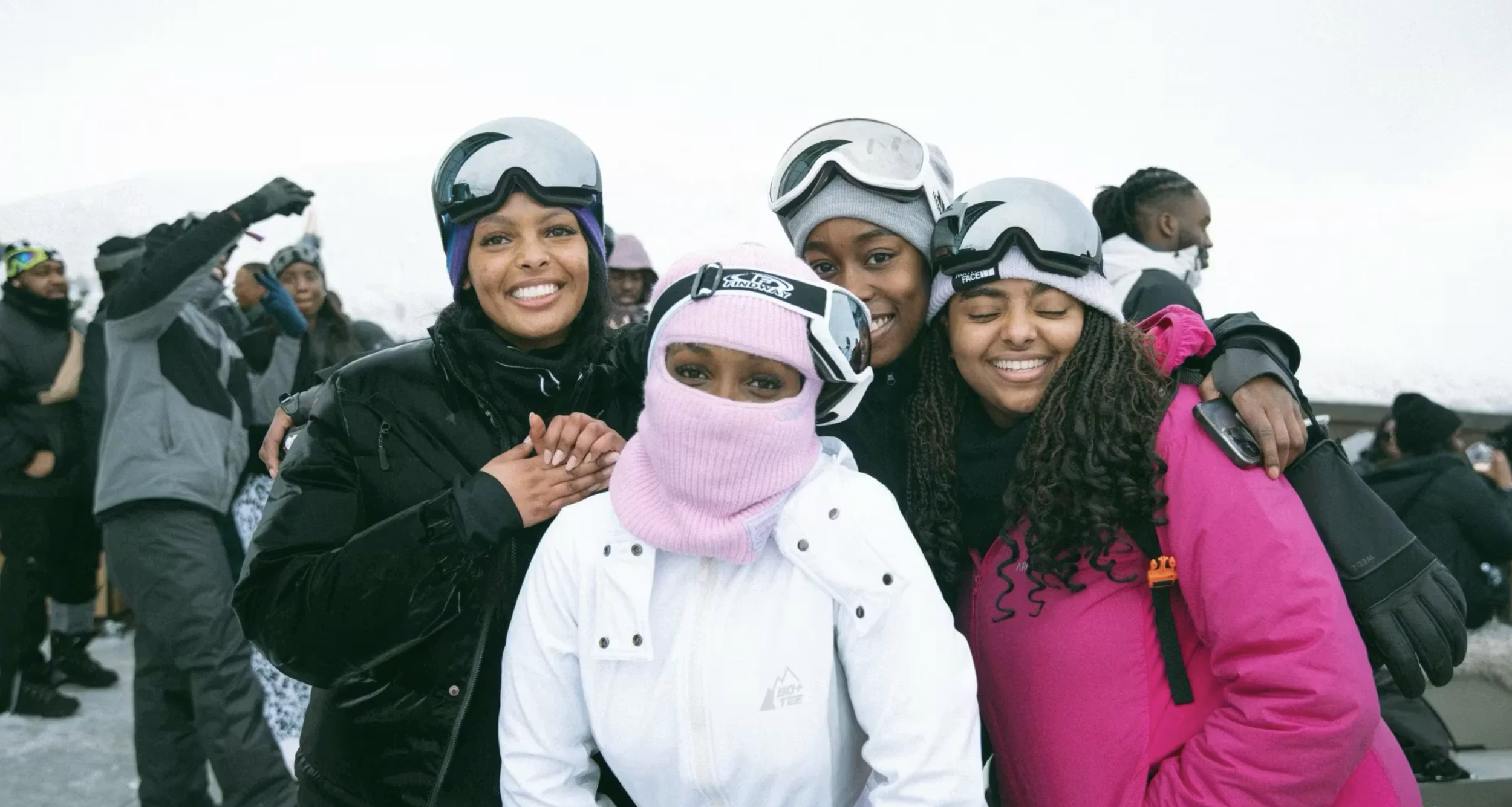
London, UK: Spending time outdoors is a fundamental human right, yet new research from Opening Up The Outdoors (OUTO) shows that for many people of colour, racism and discrimination continues to be a daily reality, even in outdoor spaces that should provide freedom, health, and belonging.
Their new study, the first of its kind, carried out in Germany, revealed that:
65% of people of colour report experiencing discrimination in daily life related to their visible identity.
65% say they also face discrimination outdoors - ranging from verbal abuse to subtle exclusion - compared to just 31% of white participants.
Young people (18–25) and women are disproportionately affected.
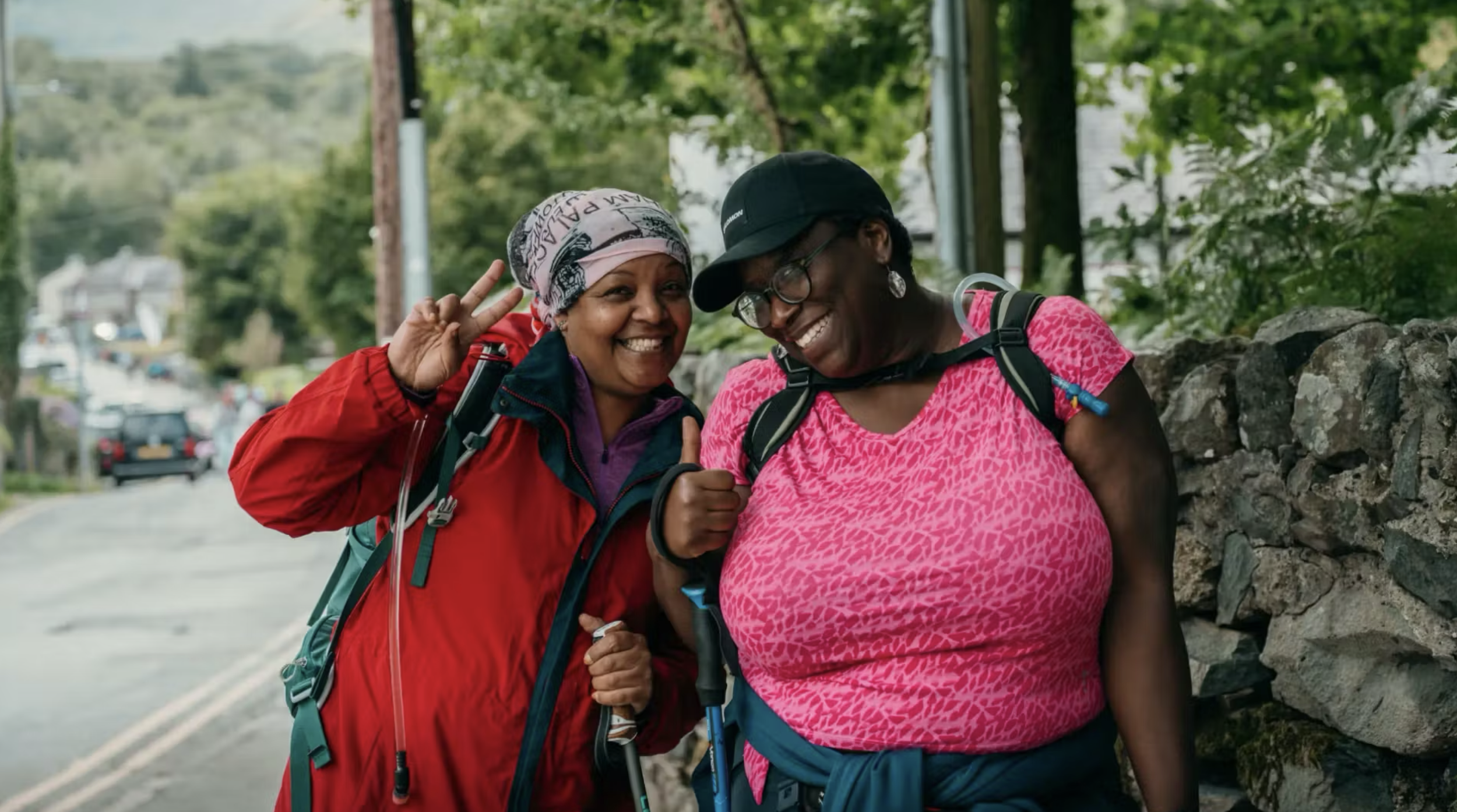
While the research is Germany-based, its implications extend across Europe, including the UK, where winter sports highlight how culture and community can help reshape outdoor spaces.
While participation rates across activities like walking, running, and cycling are broadly similar between people of colour and white participants, winter sports remain less inclusive, with just 14% of people of colour taking part, compared to 24% of those with German heritage.
Flipping the Narrative on the Slopes
A pioneering UK-based group is showing how winter sports can become more inclusive. SLS – Soft Life Ski is a Black culture-focused ski festival that brings inclusion to the slopes - with community, and blend of music and winter sports - proving skiing can be both culturally inclusive and accessible.
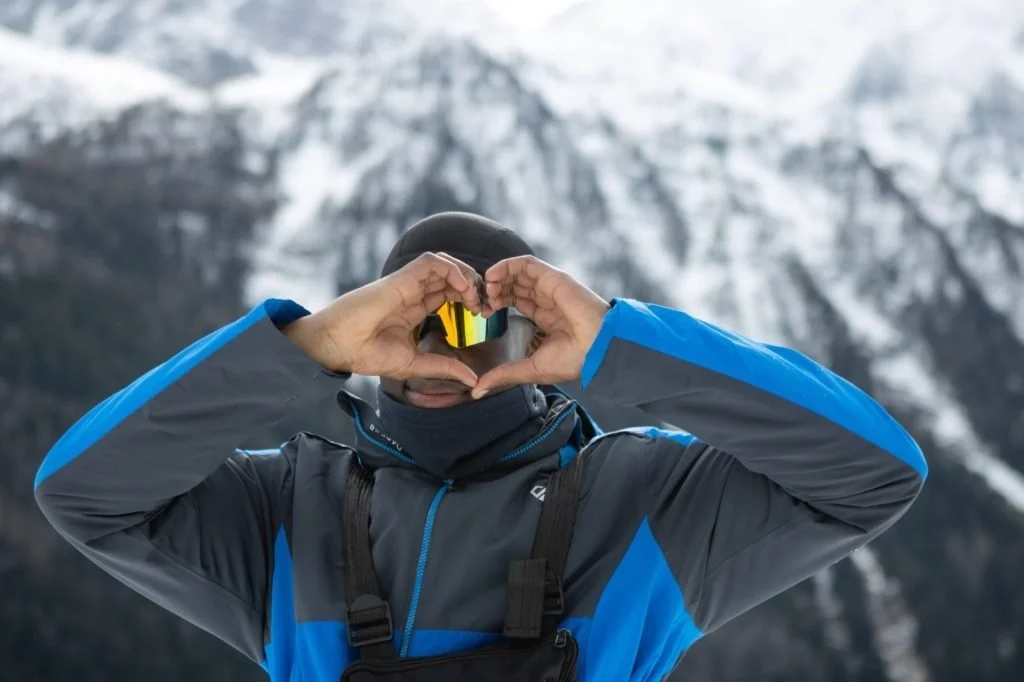
Emmanuel Ojo on his sell out Soft Life Ski retreat
Emmanuel Ojo, founder of Soft Life Ski said:
“We wanted to see ourselves reflected on the slopes, not just in faces, but in sounds and culture too. Skiing and snowboarding are incredible sports, but the culture around them often feels closed, and disconnected from the communities we come from. The gap we saw was both cultural and experiential, the opportunity to create the biggest winter event centered around Black culture. There was no space that combined winter sports with the music, fashion and energy of Black and urban culture. Soft Life Ski was built to close that gap and to prove that the slopes can feel premium, stylish and welcoming to a whole new audience.”
“When you don’t see people like you doing something, you often don’t feel like it's for you, and that’s why representation is so important. With Soft Life Ski we are changing that by bringing music, culture and community to the slopes, so people of colour can see themselves reflected and feel a true sense of belonging. As well as this, we’ve delivered over 2000 ski lessons to participants, creating a space where beginners feel just as included and no longer shy/scared as they know most people are similar to them, even if they’re picking up the sport as an adult.”
This collective exemplifies OUTO’s belief that belonging without barriers is possible when community, creativity, and inclusivity are placed at the heart of outdoor culture.
“This research is not an end in itself - it is a catalyst. It represents the very core of what Opening Up The Outdoors (OUTO) stands for and signals the direction we hope the rest of the outdoor community will take with us. As an organisation, OUTO is not only identifying the challenges around ethnicity and belonging in the outdoors, but is actively driving the change needed to overcome them.” - Margo De Lange, Opening Up the Outdoors
The research report, Belonging Without Barriers: Recognising and Addressing Racism and Discrimination in Germany’s Outdoors, provides a blueprint for brands, policymakers, and communities to act. It highlights both the positive motivations people of colour have for going outdoors and the barriers that hold them back, with clear recommendations for building a truly inclusive outdoor culture.